


Thorough Termite Inspections Melbourne: Advanced Thermal Detection Before Structural Damage Occurs
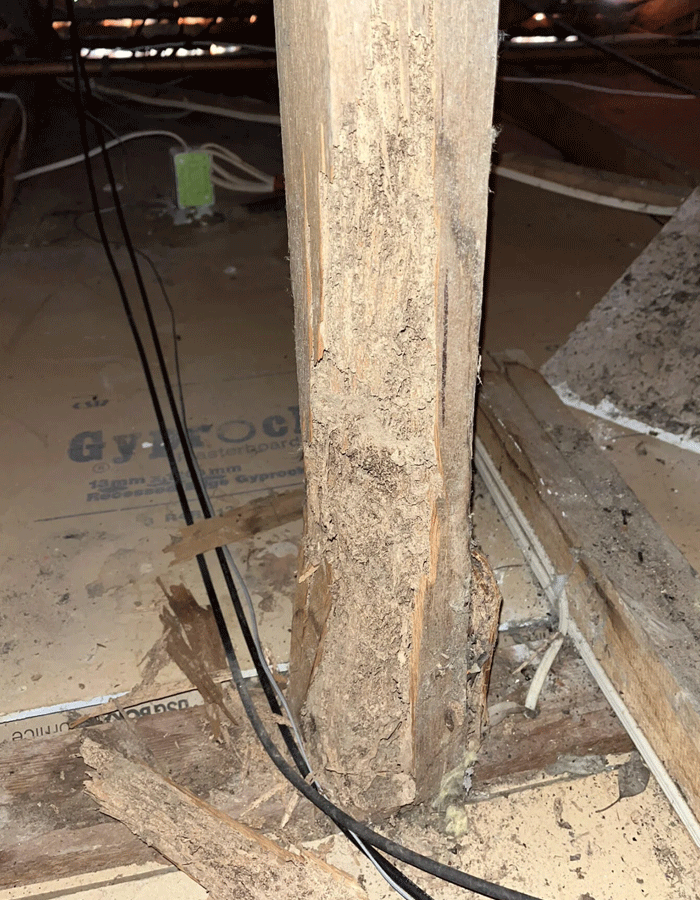
Subterranean termites feed in complete secrecy. By the time you notice a sticky door, springy floorboards, or rippling wall paint, termites have often spent months hollowing out load-bearing wall frames and floor joists.
Because standard Australian building insurance policies never cover timber pest destruction, regular surveillance is your only financial safety net.
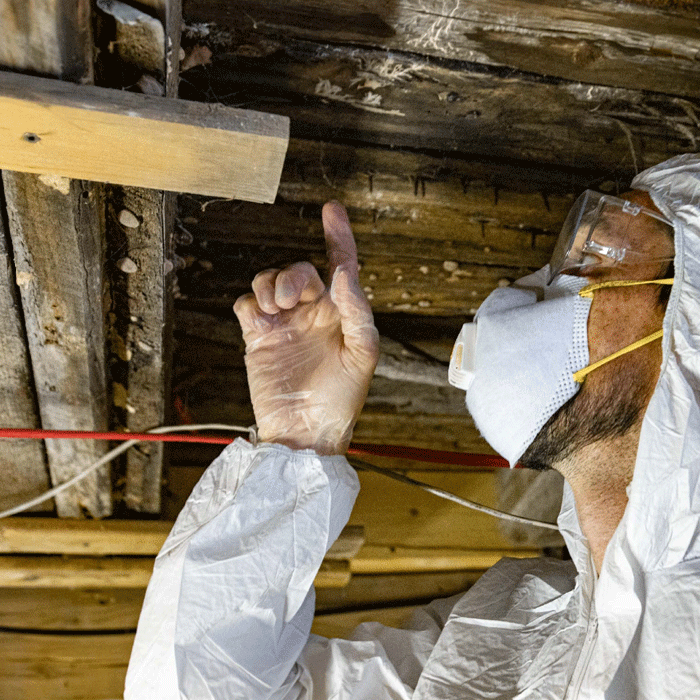
Quick Pest & Termite Control provides non-invasive, high-precision termite inspections Melbourne homeowners, investors, and prospective buyers trust. We don’t just tap a few baseboards with a screwdriver. Our licensed timber pest inspectors deploy thermal imaging cameras, precision moisture meters, and subsurface radar to track down termite activity buried deep behind finished plaster and subfloor framing.
Whether you are negotiating a pre-purchase contract, due for an annual audit, or spotting active warning signs, we deliver certified professional termite inspections Melbourne wide in strict compliance with Australian Standard AS 4349.3.
Non-Invasive Timber Pest Detection Technology We Use
Termites create a distinctive micro-climate inside wall framing, generating friction heat, elevated humidity, and damp mud packing to protect their soft bodies. We use calibrated sensor equipment to identify these hidden markers without cutting into walls:
- High-Resolution Thermal Imaging: Scans wall linings and ceiling sheets for subtle temperature differentials caused by large clusters of active termites.
- Calibrated Moisture Meters: Identifies concealed moisture pockets inside dry plasterboard, highlighting active mud packings or plumbing leaks that attract foraging workers.
- Termatrac T3i Radar Units: Emits localized radar waves through gyprock, brick, and timber to detect microscopic movement, verifying live termites without knocking holes in your wall.
- Acoustic Sounding Probes & Borescopes: Systematically tests skirting boards, door jambs, and accessible structural timbers to detect hollowed sections and internal mud packing.
Complete AS 4349.3 Inspection Scope
Our certified inspectors review every accessible zone of your property using a rigorous four-stage framework:
| Inspection Zone | Key Areas Assessed | What We Look For |
|---|---|---|
| Internal Living Spaces |
Skirting boards, architraves, window frames, door jambs, fitted cabinetry, and ceilings. |
Hollowed structural framing, blistered paint, mud tubes emerging from joints, and hidden moisture. |
| Roof Voids & Trusses |
Rafters, ceiling joists, top plates, strutting beams, and insulation voids. |
Mud shelter leads running along framing, active roof leaks, and arboreal/satellite nests. |
| Subfloor Crawl Spaces |
Bearers, joists, foundation stumps, masonry piers, and plumbing lines. |
Mud leads climbing foundation footings, damp subfloor soil, and inadequate cross-ventilation. |
| External Perimeter & Grounds |
Slab edges, brick weep holes, timber pergolas, boundary fences, and garden beds. |
Soil-to-timber contact, mulch bridging weep holes, tree stump colonies, and moisture runoff. |
Subtle Warning Signs You Need an Urgent Inspection
Do not wait for your scheduled annual maintenance visit if you spot any of these indicators around your property:
Papery or Hollowed Timbers
Tapping skirting boards, door jambs, or window sills produces a hollow, paper-thin sound instead of a solid thud.
Jammed Doors and Windows
Moisture retention and frame hollowing cause timber doorframes to warp, making doors and windows suddenly stick in their openings.
Mud Shelter Tubes
Thin, dried mud trails running along foundation brickwork, skirting gaps, or subfloor piers that termites construct to travel safely out of daylight.
Discarded Alate Wings
Piles of small, shed wings left on window sills or patio tiles following warm, humid Melbourne evenings when reproductive alates take flight to establish new colonies.
Frequently Asked Questions
A comprehensive timber pest inspection on a standard three-to-four-bedroom Melbourne home generally takes between 1.5 to 2 hours. Properties with expansive subfloor crawl spaces, complex landscaping, or extensive outbuildings may require extra time to survey thoroughly.
We deliver your fully documented, AS 4349.3-compliant digital report within 24 hours of completing the on-site assessment. Every report includes high-resolution digital photographs, identified environmental risk factors, thermal readings, and actionable steps for chemical barriers or colony baiting systems.
No. A basic pre-purchase building inspection checks general structural soundness and cosmetic issues, but it specifically excludes timber pest activity. Always make sure your property purchase contract includes a dedicated timber pest inspection to uncover active infestations or concealed past structural frame damage.
Leave them completely undisturbed. Do not spray them with fly sprays, and do not pull away damaged timber or break mud tunnels. Disturbing them forces the worker termites to retreat, making it harder for our technicians to identify the species and apply targeted colony-elimination treatments.
Book Your Melbourne Termite Inspection Today
Protect your structural timbers and avoid expensive surprises. Contact Quick Pest & Termite Control today for fast on-site scheduling, non-invasive thermal assessments, and certified reports.


