


Chemical Barriers for Termite Protection Melbourne: Long-Term Soil Defence
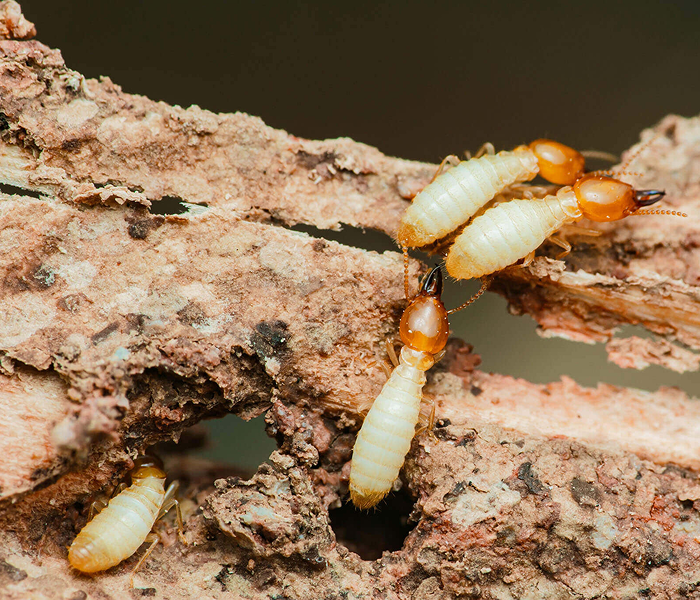
Subterranean termites forage blindly through the dirt, exploiting cracks as narrow as a single millimetre to access structural floor joists and timber frames. Once inside your walls, they feed unseen without leaving visible signs on the surface.
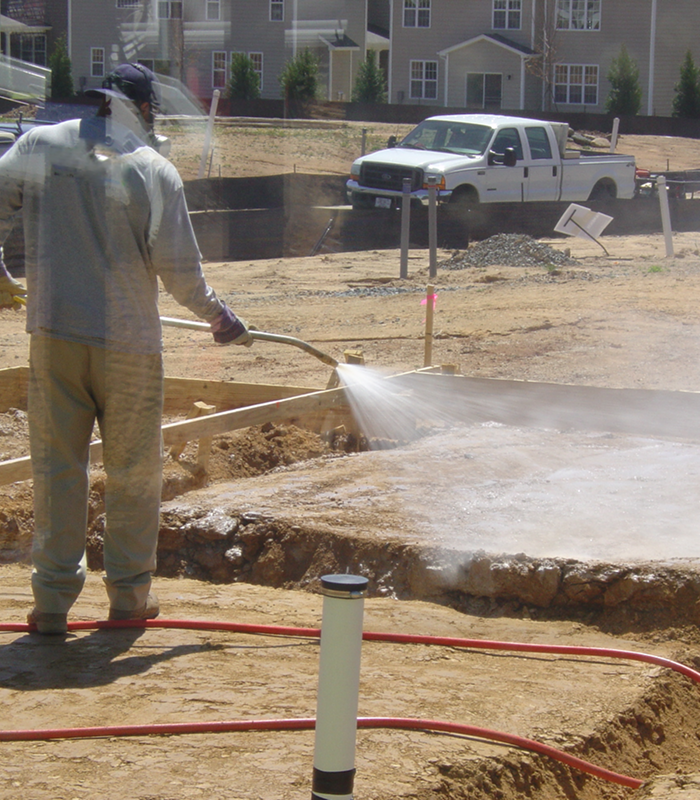
Installing a treated perimeter soil zone is one of the most reliable ways to shield an established building. At Quick Pest & Termite Control, we engineer durable chemical barriers for termite protection Melbourne property owners rely on to block subterranean termites before they reach your slab edge.
Whether you need a continuous perimeter barrier for an established home or want to upgrade your ongoing termite protection Melbourne plan, our licensed technicians install robust termite chemical barriers Melbourne wide in strict compliance with Australian Standard AS 3660.2.
How a Non-Repellent Chemical Soil Barrier Works
A chemical termite barrier establishes an unbroken treated soil envelope around your foundation footings, subfloor piers, and utility plumbing penetrations.
Older liquid treatments acted as repellents that termites could detect and skirt around until they found a gap. We exclusively apply advanced non-repellent formulations that deliver complete colony elimination:
- Completely Undetectable: Foraging workers cannot smell, taste, or sense the treated soil particles as they tunnel through the perimeter zone.
- Cuticle Binding: Microscopic doses of the active termiticide bind directly to the termite’s outer shell.
- The Transfer Effect: Because the chemical does not kill immediately, contaminated termites return to their subterranean nest, grooming and feeding nestmates.
- Queen & Colony Collapse: The active termiticide transfers systematically across the colony, eliminating the central queen and stopping reproductive cycles.
Chemical Soil Barrier vs. Monitoring Bait Stations
Selecting the ideal foundation defense depends directly on your property layout and perimeter finishes:
| Comparison Factor | Liquid Chemical Soil Barrier | Monitoring & Baiting Stations |
|---|---|---|
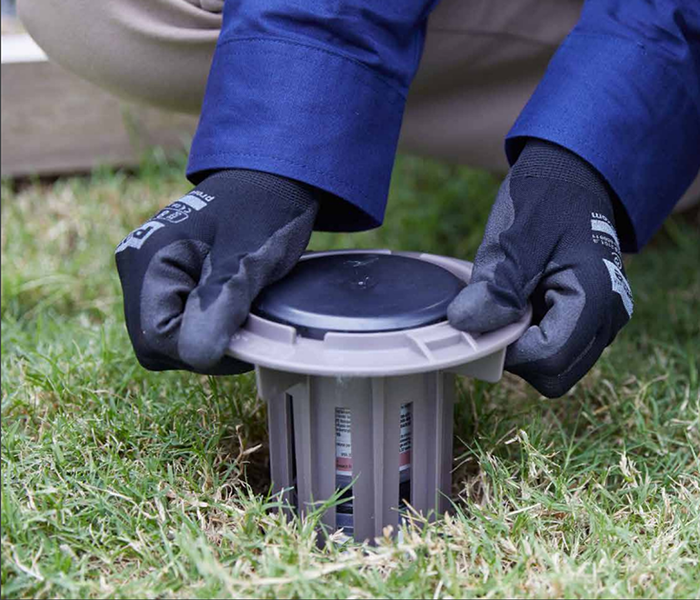
| Ideal Site Layout |
Unbroken soil trenches, gravel borders, or core-drillable concrete paths. |
Steep sandstone slopes, zero-clearance boundaries, or high water tables. |
| Speed of Defense |
Delivers an immediate continuous protective zone on day one. |
Requires foraging workers to discover and consume station baits over several weeks. |
| Expected Longevity |
Up to 5 to 8 years of continuous residual protection in Victorian soils. |
Requires quarterly station checks and active bait replenishment cycles. |
| Ongoing Maintenance |
Minimal disruption; requires only an annual timber pest audit to preserve warranty. |
Ongoing monitoring and replenishment visits across all four seasons. |
Our 5-Stage AS 3660.2 Installation Process
Installing a high-performance chemical barrier demands precision to ensure no untreated bridging gaps remain:
1. Foundation Trenching
We excavate a continuous perimeter trench along external brick walls down to the foundation footing, exposing the slab edge.
2. Precision Core Drilling
Where concrete paths, tiles, or driveways meet external brickwork, we drill neat access holes spaced roughly 200 mm apart.
3. High-Volume Soil Saturation
We inject calibrated termiticide emulsion at precise label rates—typically 100 litres of solution per cubic metre of backfilled soil.
4. Site Restoration & Capping
We backfill the trench, reinstate mulch or gravel, and seal every drilled path hole with colour-matched mortar plugs.
5. Certification & Meter Box Notice
We supply a comprehensive AS 3660.2 compliance certificate and affix an engraved notice inside your electrical switchboard.
How to Maintain Your Treated Soil Barrier
Simple property habits help keep your protective soil envelope intact for years:
- Avoid Moving Treated Soil: Do not dig, plant garden beds, or deposit fresh topsoil directly against external brickwork, as bridging dirt allows termites to bypass the barrier.
- Watch Plumbing & Landscaping Works: If new drainage trenches, electrical lines, or paths are excavated, have our technicians inspect and patch the disturbed chemical zone immediately.
- Prevent Water Pooling: Keep downpipes connected and direct hot water relief overflow pipes away from foundation walls to prevent water from diluting the treated soil.
- Keep Weepholes Visible: Maintain a clear inspection zone of at least 75 mm between garden mulch and your lower brick weepholes.
Frequently Asked Questions
Under typical Victorian soil and climate conditions, a premium non-repellent barrier provides dependable protection for up to 8 years. However, persistent moisture leaks or severe soil disturbance can reduce longevity, which is why an annual timber pest inspection is required to maintain your warranty.
No. The termiticides we use are low-odour, water-based formulations that bind tightly to organic soil particles without leaching through the garden bed. Established ornamental shrubs, trees, and garden borders along the treated perimeter remain safe.
Not at all. We use specialized rotary diamond core tools to drill small, neat holes tight against the brick wall line. Once the underlying soil is injected, each hole is sealed with colour-matched mortar or custom expansion plugs, leaving the path neat, level, and clean.
Yes. For older homes built on timber stumps or brick piers, we treat the soil around every subfloor support pier and service pipe penetration in addition to the external perimeter, cutting off subterranean pathways from underneath the floor.
Install Continuous Termite Protection Today
Shield your timber framing from devastating subterranean termite damage with an Australian Standards-compliant chemical barrier. Contact our Melbourne team today for honest on-site evaluations and upfront quotes.


