


Roof Void Treatment in Melbourne (Spiders & Insects)
Deep Treatment for Hidden Pest Activity in Attics & Ceiling Spaces
- Full Roof Void Inspection & Treatment
- Spider, Insect & Nest Elimination
- Safe, Targeted Chemical Application
- Long-Term Prevention Focus
Roof voids (attic or ceiling spaces) are one of the most overlooked areas in pest control. These hidden environments provide ideal conditions for spiders, insects, and other pests to breed and remain undisturbed for long periods.
Because roof voids are dark, warm, and rarely accessed, infestations often develop unnoticed until activity begins spreading into living areas such as bedrooms, bathrooms, or hallways.
Our roof void treatment service in Melbourne is designed to eliminate hidden infestations at the source while preventing pests from re-entering or rebuilding colonies.
Why Roof Voids Attract Pests
Roof voids create a stable environment that supports long-term pest activity. Unlike exposed areas, they provide:
- Constant darkness with minimal disturbance
- Warm air trapped from the home below
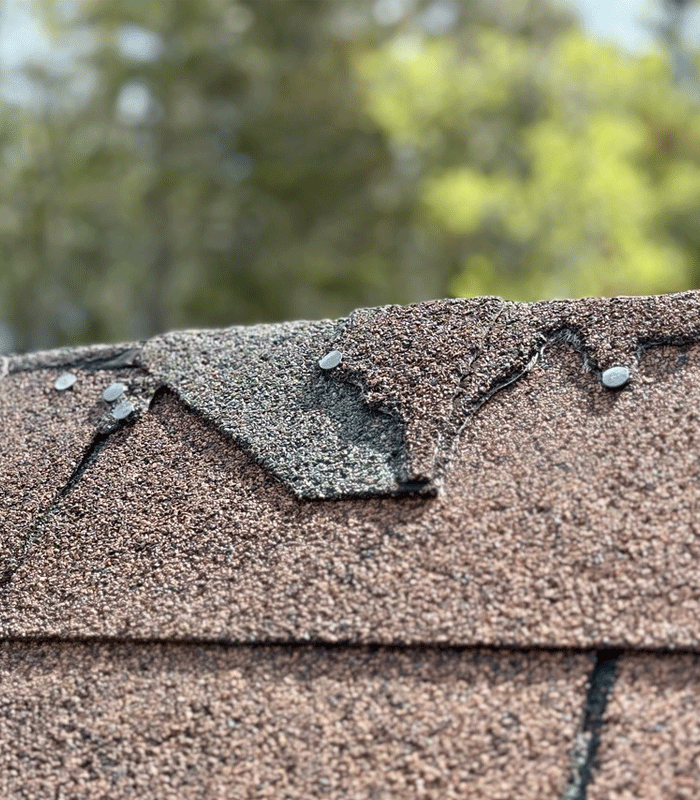
- Entry points through roof tiles, vents, and eaves
- Accumulation of insects that serve as food sources
Spiders, in particular, thrive in these conditions because they can build webs undisturbed and feed on other insects that enter the space. Over time, this leads to population growth and repeated movement into indoor areas.
Common issues found in roof voids include:
- Spider webs across rafters and beams
- Egg sacs hidden in corners and insulation
- Clusters of insects near light gaps
- Damp or leaking sections encouraging pest activity
Our Roof Void Treatment Approach
We use a structured, multi-step process that focuses on elimination, deep treatment, and long-term prevention.
Detailed Roof Void Inspection
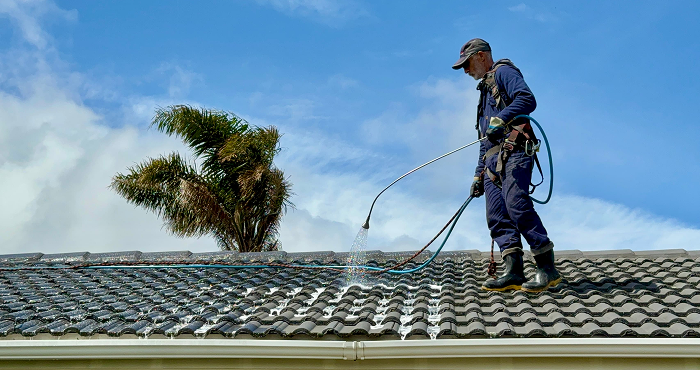
We begin by thoroughly inspecting the roof space to identify:
- Active pest zones
- Webbing and nesting locations
- Entry points such as tile gaps and vents
- Moisture or structural issues contributing to infestations
This allows us to design a precise treatment plan based on actual conditions rather than assumptions.
Physical Removal of Webs & Debris
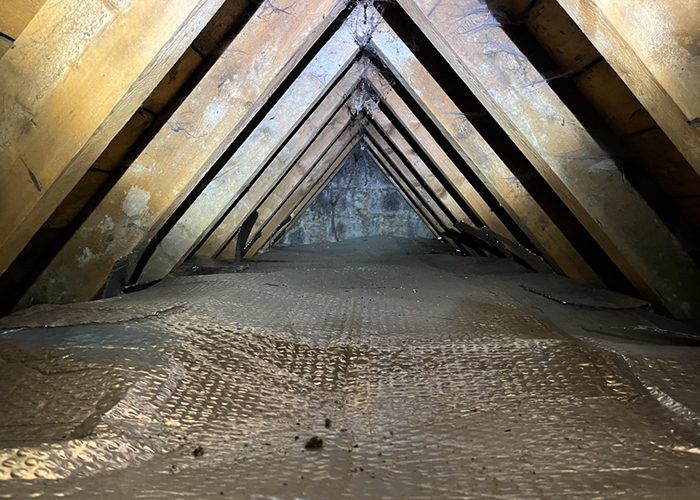
The first stage of treatment involves removing spider webs, nests, and accumulated debris from the roof void.
We target:
- Rafters and structural beams
- Corners and junction points
- Insulation edges
- Ventilation openings
This step removes shelter, reduces pest population density, and eliminates hidden egg sacs that can lead to re-infestation.
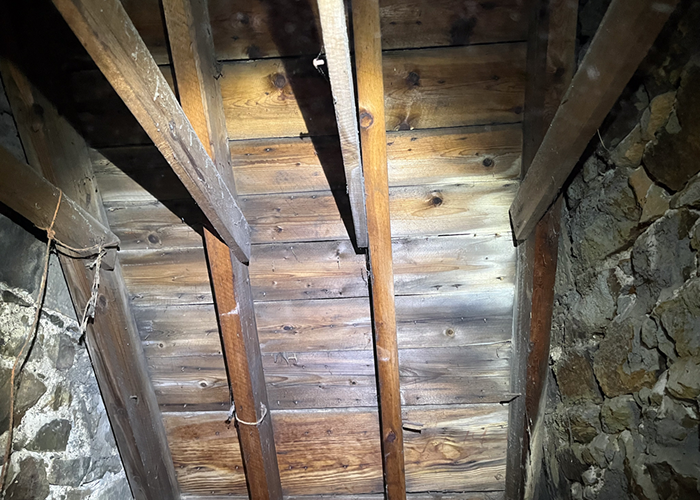
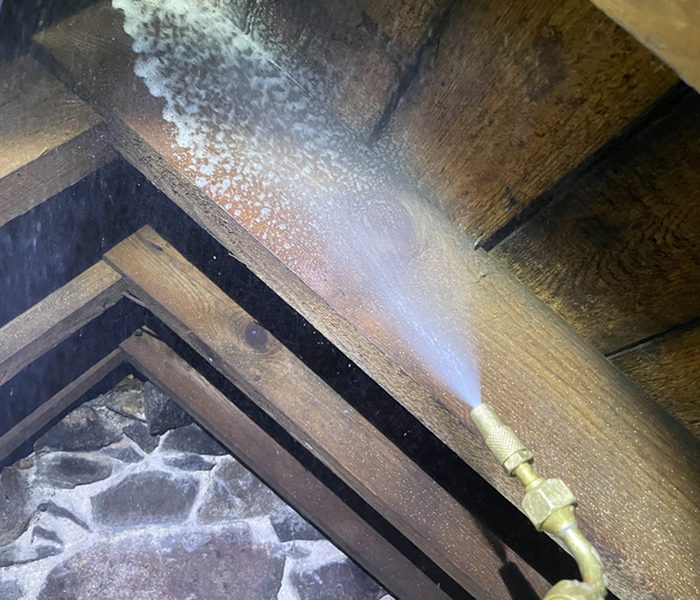
Residual Insecticide Treatment
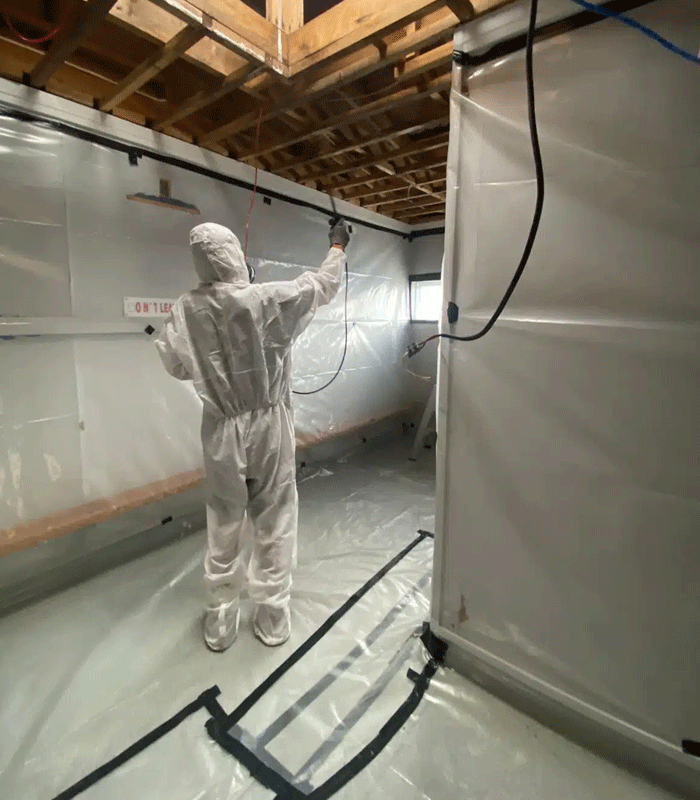
We apply a carefully controlled residual spray across key areas within the roof void.
This includes:
- Timber beams and roof joints
- Entry cracks and structural gaps
- Internal eave sections
The treatment is designed to remain active over time, targeting pests that move through treated zones long after application.
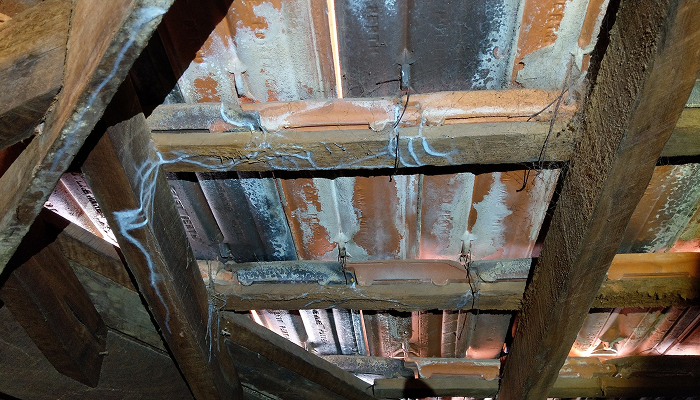
Dust Treatment for Hidden Areas
For deeper infestations, we use insecticidal dust in hard-to-reach spaces such as:
- Wall cavities
- Insulation gaps
- Tight structural cracks
This provides long-lasting control in areas where liquid treatments cannot penetrate effectively.
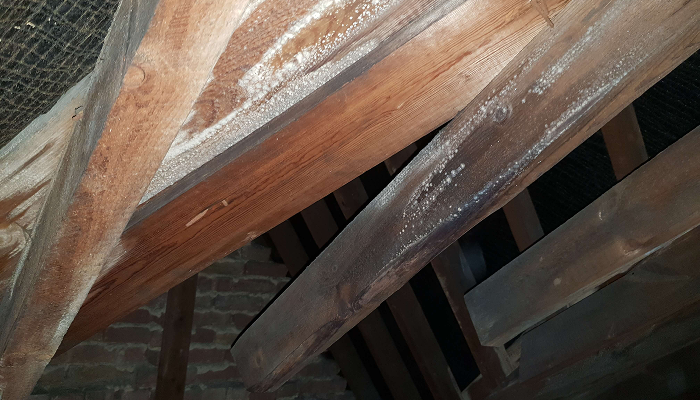
Entry Point Identification & Sealing
Preventing reinfestation is a key part of roof void treatment. We identify and advise on sealing:
- Broken or displaced roof tiles
- Gaps around vents and fixtures
- Eave openings and cable entry points
By closing these access routes, we significantly reduce future pest movement into the roof space.
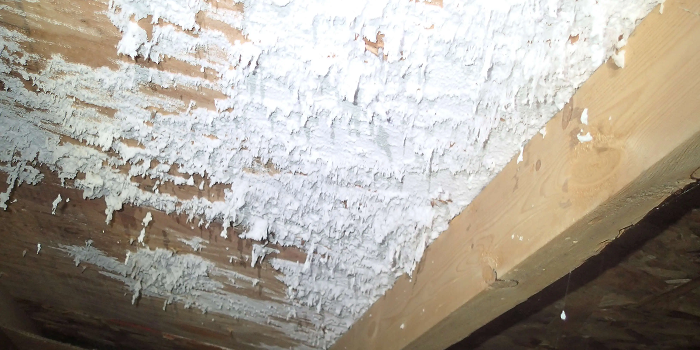
Environmental Correction
Pests are drawn to roof voids due to food and moisture availability. We assess contributing factors such as:
- Damp insulation or leaks
- Excess humidity in enclosed areas
- Insect attraction from external lighting
Reducing these conditions helps make the roof void less suitable for long-term pest survival.
Why Roof Void Treatments Are Essential
Many pest problems inside homes originate from roof void activity. Without proper treatment, pests continue moving between the roof space and living areas, making infestations difficult to control.
DIY surface spraying does not solve this issue because it does not reach:
- Hidden nests
- Egg sacs
- Deep structural harborage areas
A professional approach ensures complete coverage and long-term stability.
Maintenance & Prevention
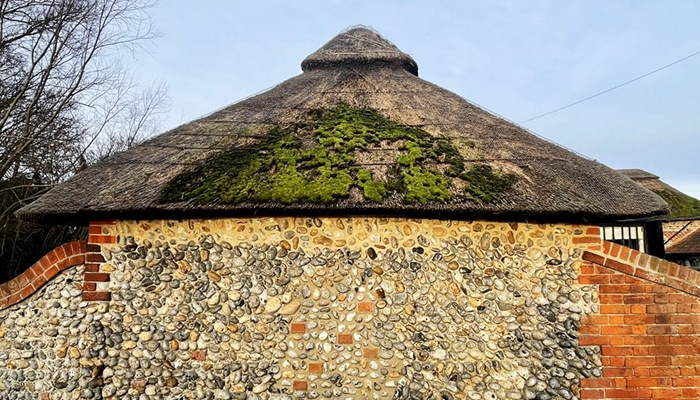
To maintain control after treatment, periodic checks and preventive care are recommended. Roof void conditions can change due to weather, structural aging, or new entry points forming over time.
Regular monitoring helps ensure:
- No new infestations develop
- Entry points remain sealed
- Pest activity stays under control
FAQs
Because they offer warmth, darkness, and shelter with minimal disturbance.
Residual protection can last for several months depending on conditions.
Book Professional Roof Void Treatment in Melbourne
If spiders or insects are coming from your ceiling or roof space, the source is often hidden above your living areas. Professional roof void treatment ensures complete elimination and long-term protection.


