


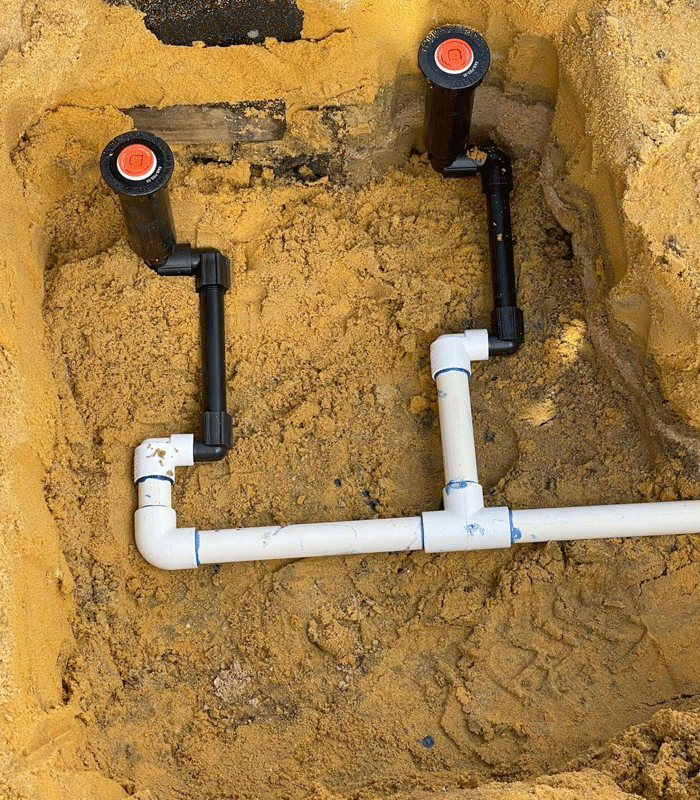
Reticulation System Installation (Termite Protection) in Melbourne
Permanent Refillable Termite Barrier System for Long-Term Property Protection
- Rechargeable Termite Protection System
- Suitable for Pre & Post Construction Installations
- Even Soil Treatment Distribution
- No Re-Digging Required for Reapplication
A reticulation system is an advanced termite management solution designed to provide long-term, maintainable protection around a building foundation. It works as an underground network of pipes that allows termiticide to be re-injected into the soil whenever required—without disturbing landscaping, paving, or structural elements.
Instead of repeatedly excavating soil for termite treatments, this system enables controlled chemical delivery through access points, maintaining a continuous protective barrier around the property over time.
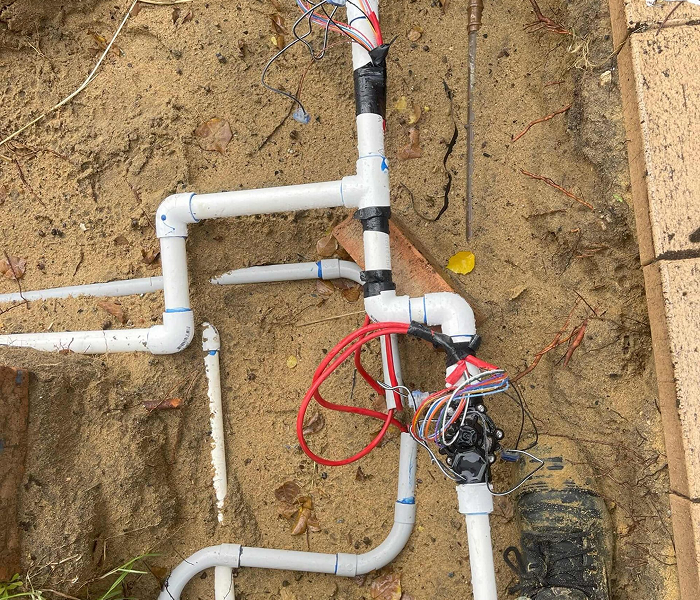
What a Reticulation System Does
A reticulation system functions as a rechargeable termite defence network built beneath and around a structure.
Once installed, it allows pest control professionals to:
- Inject liquid termiticide through external access points
- Re-distribute chemicals evenly throughout the soil
- Maintain a continuous protective zone around the building
- Reapply treatments without excavation or disruption
This creates a long-term solution that is far more practical than repeated soil trenching and manual barrier replacement.
Key Components of a Reticulation System
A complete reticulation system consists of multiple connected components working together to maintain long-term termite protection.
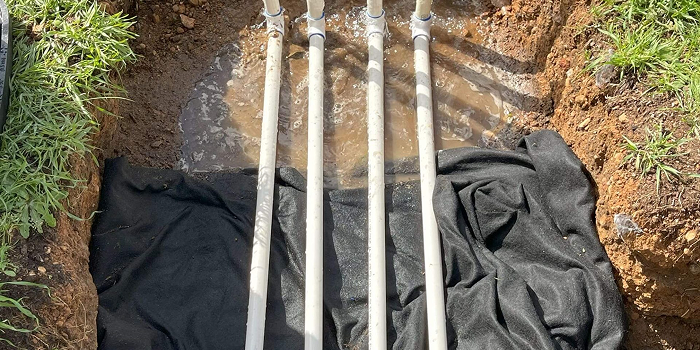
Underground Pipe Network
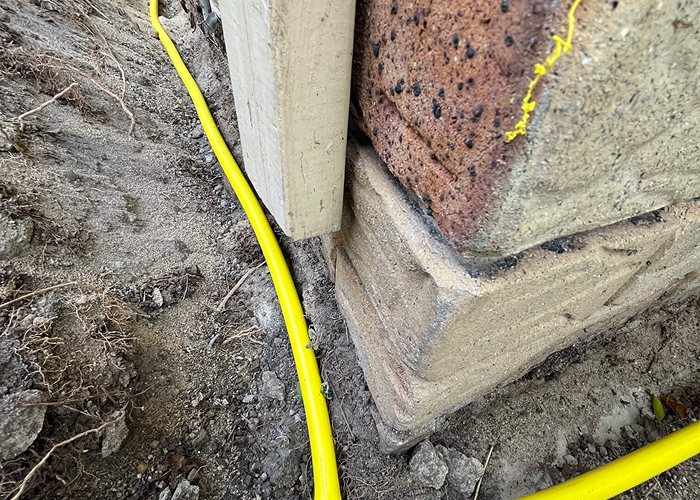
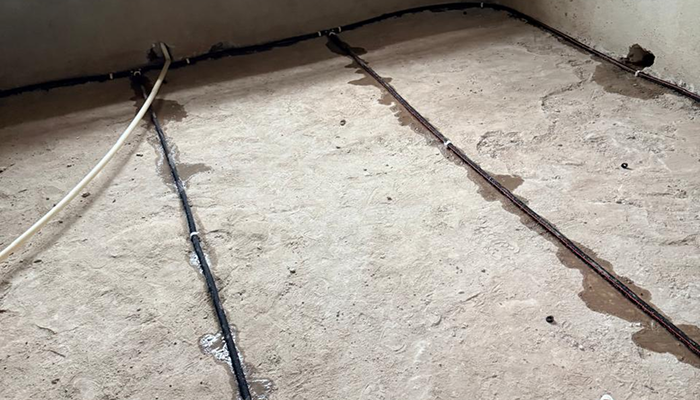
A flexible piping system is installed beneath the soil around the building perimeter. These pipes are perforated or designed with controlled outlets that allow chemical dispersion into surrounding soil.
The system is typically laid out in a continuous loop to ensure full perimeter coverage, including slab edges and high-risk entry zones.
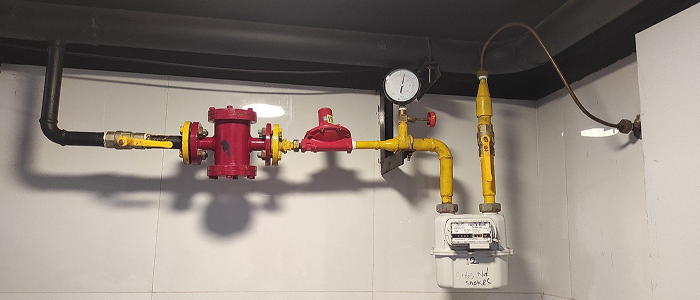
Injection (Charge) Points
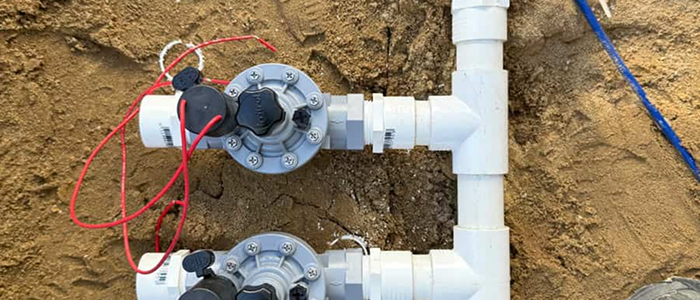
Above-ground access points are installed at specific intervals around the property. These are the service points used by technicians to inject termiticide into the system.
Each port is sealed with protective caps to prevent damage and contamination, while still allowing easy access during maintenance.
Distribution Outlets
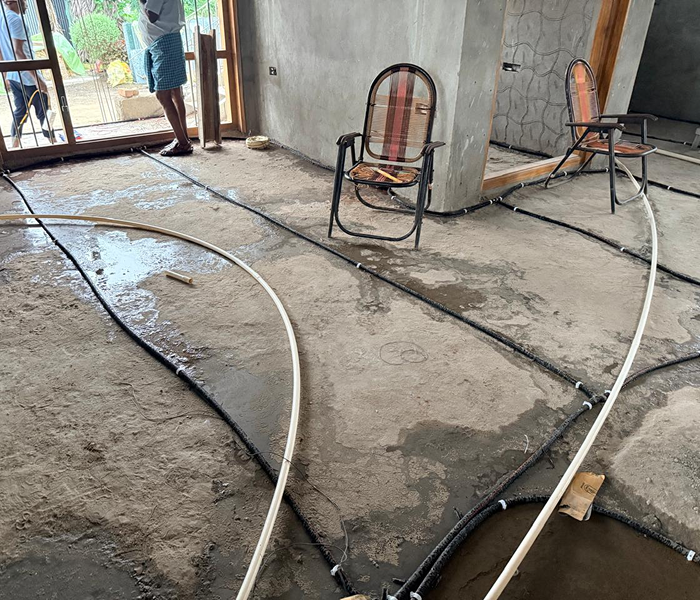
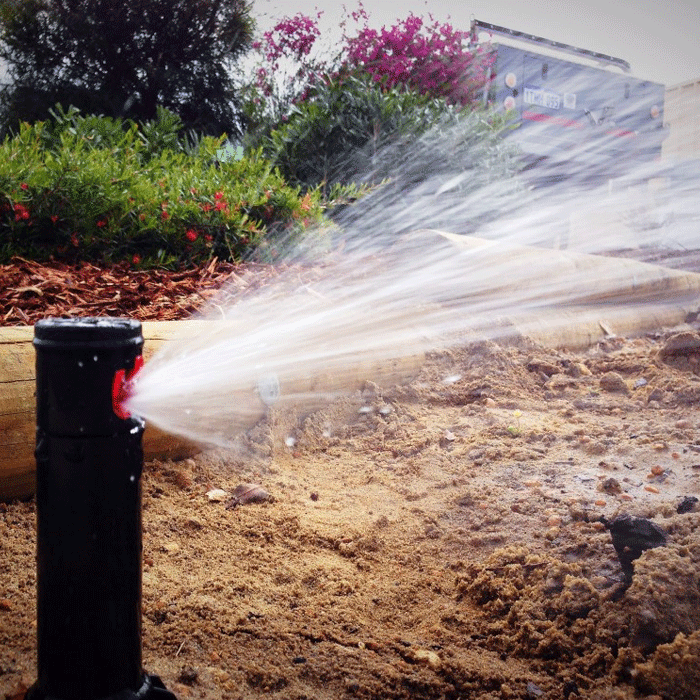
The underground pipe network contains carefully positioned outlets that allow even chemical flow into the soil. This ensures consistent coverage across the entire treated zone rather than uneven or patchy application.
Installation Process (Step-by-Step)
Step 1: Planning & Site Assessment
Before installation begins, the property is assessed based on slab layout, soil type, plumbing positions, and termite risk zones. The system design must align with structural boundaries and comply with Australian termite management standards.
Step 2: Trenching
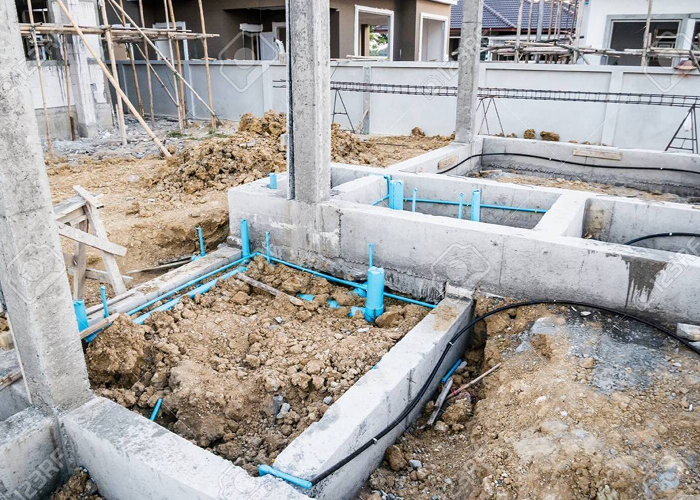
Narrow trenches are dug around the building perimeter. The depth and positioning depend on foundation type and soil conditions.
A continuous loop is formed to ensure there are no gaps in the protective network.
Step 3: Pipe Placement
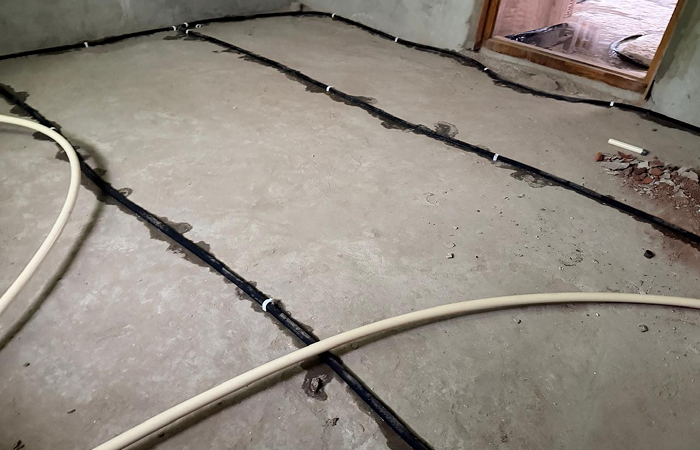
Perforated pipes are carefully laid inside the trenches. These are connected into a sealed loop system designed for even chemical distribution.
Special attention is given to prevent pipe damage during installation.
Step 4: Backfilling & Compaction
Once pipes are in place, soil is returned and compacted. This step must be performed carefully to avoid shifting or damaging the system while ensuring stable ground conditions above.
After this stage, the system becomes fully hidden beneath the surface.
Step 5: Installation of Access Points
Vertical risers are installed from the underground pipe network to the surface. These are fitted with secure, lockable caps to protect the system while allowing future access for treatment recharging.
Step 6: Initial Chemical Charge
Once installed, the system is charged with termiticide. This creates the initial protective soil barrier around the structure, forming the first line of defence against termite entry.
Maintenance & Recharging Process
One of the strongest advantages of a reticulation system is its long-term reusability.
At scheduled intervals (based on product type and site conditions):
- Technicians connect injection equipment to access ports
- Fresh termiticide is pumped into the underground network
- The chemical spreads evenly through the soil
- The protective barrier is restored without excavation
This ensures continuous protection over many years with minimal disruption.
Advantages of Reticulation Systems
- Long-term, maintainable termite protection
- No need for repeated soil excavation
- Even distribution of termiticide across treated zones
- Fast and efficient recharging process
- Ideal for paved, landscaped, or hard-to-access areas
- Strong compatibility with modern construction designs
Limitations to Consider
While highly effective, reticulation systems require:
- Higher initial installation cost compared to basic treatments
- Professional installation during early construction stages
- Periodic maintenance and chemical recharging
- Protection from physical damage during landscaping or excavation
If the system is damaged or incorrectly installed, its effectiveness may be reduced.
Why Reticulation Systems Are Used in Modern Construction
Traditional termite barriers degrade over time and often require costly re-treatment through excavation. Reticulation systems solve this problem by providing a permanent infrastructure for ongoing chemical delivery.
Instead of digging new trenches every few years, technicians simply recharge the system through access points, restoring protection quickly and efficiently.
This makes it a preferred choice for:
- New residential developments
- Commercial properties
- High-value buildings
- Landscaped or paved sites
Key Idea
A reticulation system is essentially:
A hidden underground delivery network that allows termite protection to be refreshed anytime without disturbing the structure or surrounding soil.
Book Reticulation System Installation in Melbourne
Protect your property with a long-term termite management system designed for durability, efficiency, and ease of maintenance.


