


Termite Inspections in Melbourne (AS 3660 Reports)
Certified Structural Termite Inspection & Risk Assessment
- AS 3660 Standard Compliant Reports
- Full Property Termite Inspection
- Structural Risk Assessment & Documentation
- Early Detection of Termite Activity
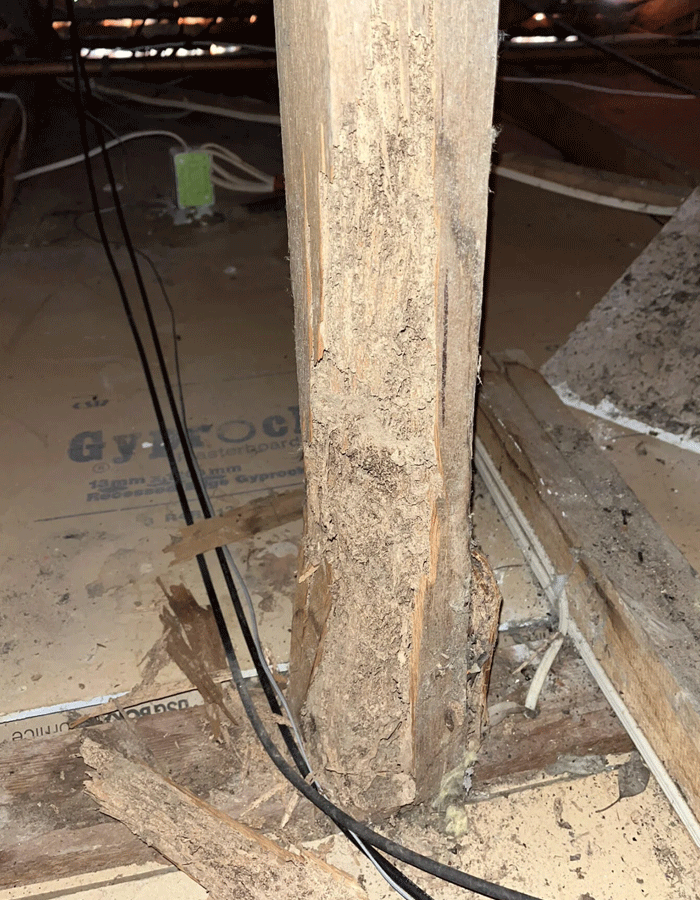
Termites are one of the most destructive pests affecting properties in Melbourne, often causing significant structural damage before they are even detected. A professional termite inspection is essential for identifying active infestations, past damage, and conditions that may lead to future termite attacks.
Our termite inspection service follows the AS 3660 Australian Standard for Termite Management, ensuring every inspection is carried out with consistency, accuracy, and compliance with national pest control guidelines.
What is AS 3660?
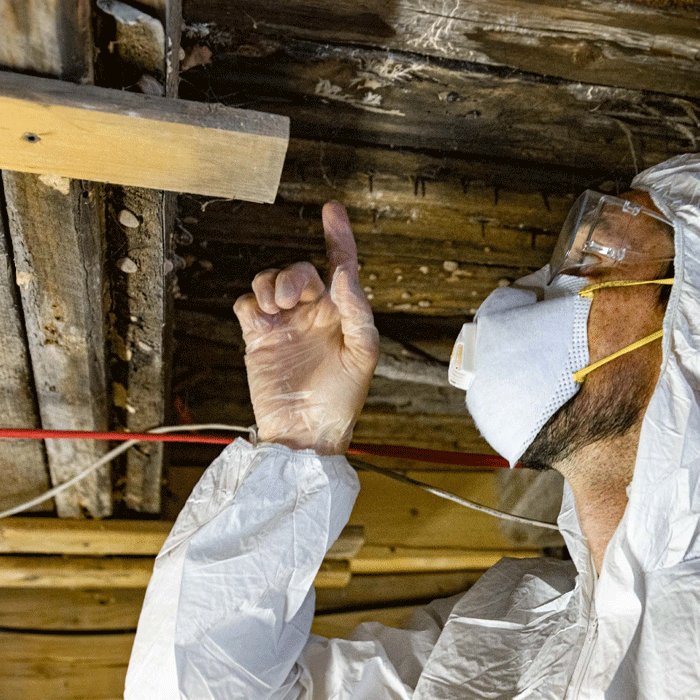
AS 3660 is the official Australian Standard for termite management systems. It provides a structured framework that guides how termite inspections must be performed, how risk levels are assessed, and how findings are documented in formal reports.
This standard ensures that all inspections:
- Follow a consistent methodology
- Accurately identify termite activity and damage
- Assess environmental and structural risk factors
- Provide clear, actionable recommendations
By following AS 3660, termite inspections become more reliable and legally recognised, helping property owners make informed decisions about protection and treatment.
Purpose of a Termite Inspection Report
A termite inspection report is not just a visual check — it is a detailed technical assessment of your property’s vulnerability and condition.
The purpose of the report is to:
Detecting any active termite infestation within the structure, Identifying previous termite damage that may have weakened timber, Assessing environmental conditions that encourage termite activity, Evaluating the overall risk level of future infestation and Recommending appropriate treatment or prevention systems.
This makes the inspection a critical step in protecting both residential and commercial properties.
What We Inspect During AS 3660 Termite Inspections
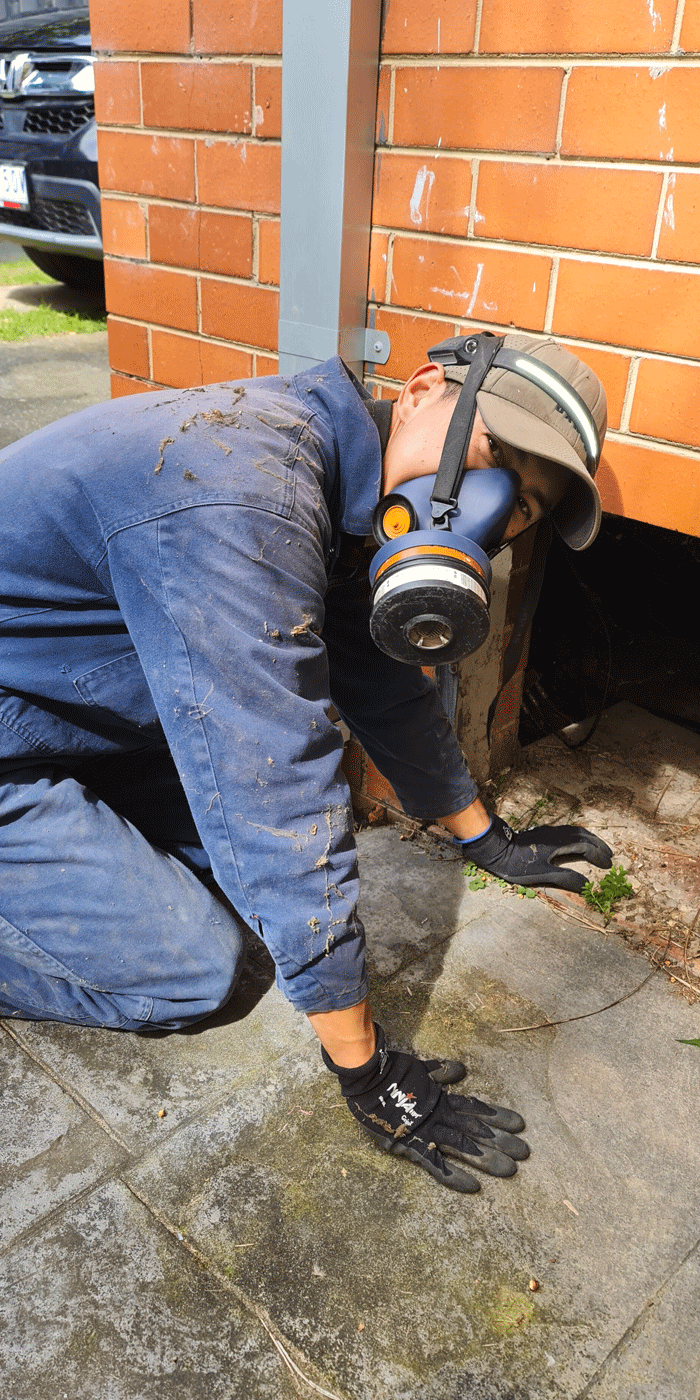
A professional inspection covers all key areas of a property where termites are most likely to enter, feed, or remain undetected.
Internal Structural Areas
We carefully inspect interior sections such as skirting boards, door frames, wooden flooring, and wall cavities. Special attention is given to moisture-prone areas like kitchens and bathrooms, as termites are strongly attracted to damp environments.
External Property Zones
The exterior of the property is examined for signs of termite activity or conditions that support infestation. This includes foundation perimeters, garden beds near walls, timber fencing attached to structures, decking areas, and any timber in contact with soil.
Roof Void and Subfloor Areas
Roof voids and subfloor spaces are critical inspection zones. We assess roof timbers, support structures, and hidden access points where termites often remain undetected for long periods. Moisture accumulation in these areas is also carefully evaluated.
Moisture and Risk Assessment
Moisture is one of the primary factors that attract termites. During inspection, we assess:
- Plumbing leaks
- Drainage issues
- Damp walls or flooring
- Poor ventilation areas
These conditions are documented as part of the overall risk profile.
What the AS 3660 Report Includes
After inspection, a detailed report is prepared outlining the condition and termite risk level of your property.
This report typically includes:
- Property and inspection details
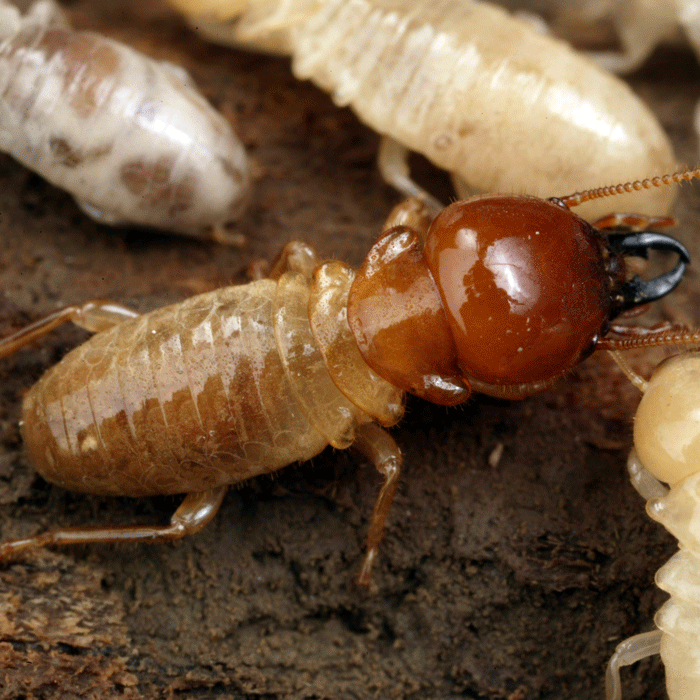
- Evidence of active termites or previous damage
- Risk rating (low, medium, or high)
- Identification of conducive conditions
- Photographic or written evidence of findings
- Professional recommendations for treatment or prevention
Recommendations may include chemical soil barriers, baiting systems, physical protection methods, or structural repairs depending on the severity of findings.
Warning Signs of Termite Activity
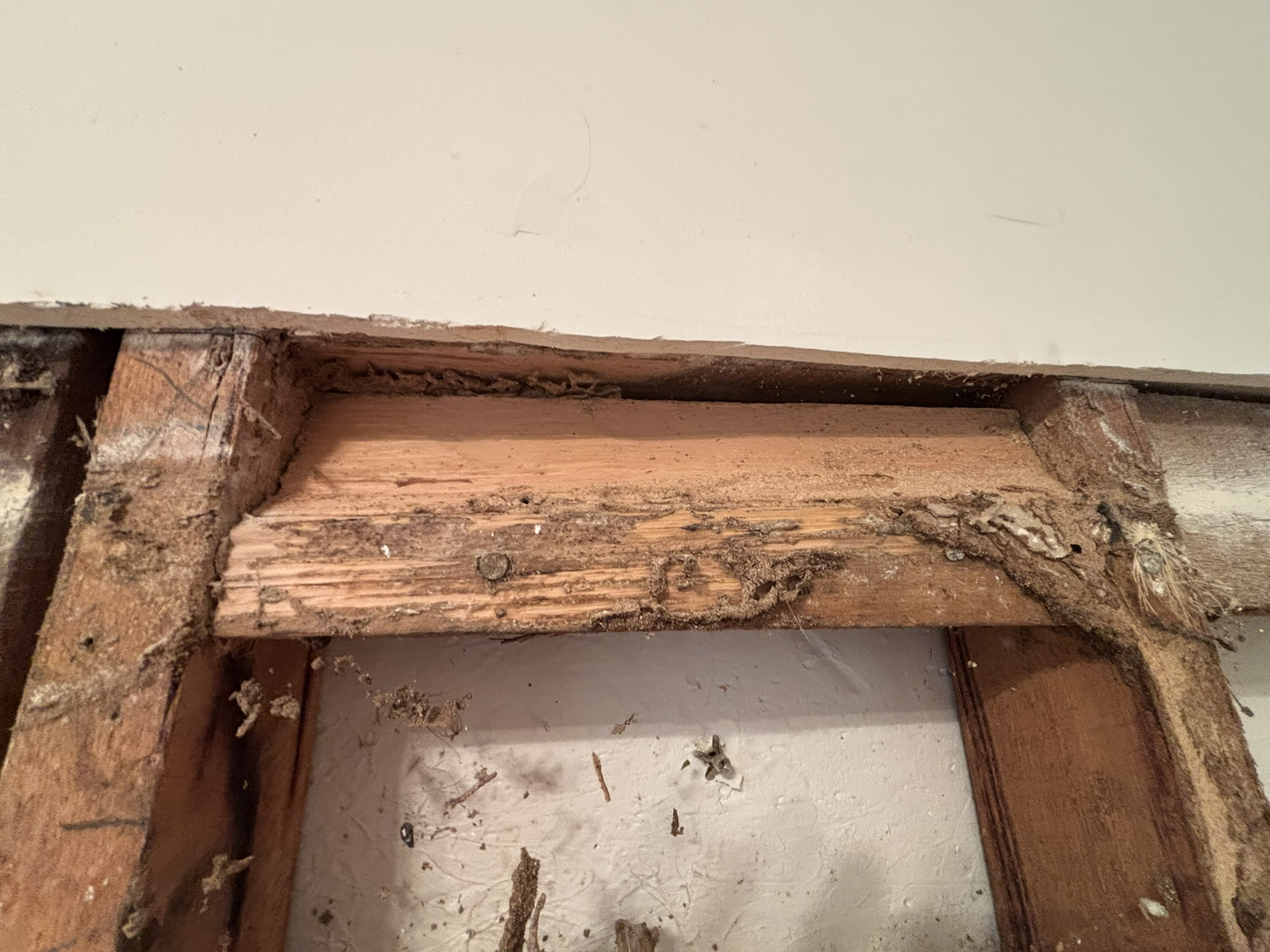
During inspection, we look for common indicators such as:
- Hollow or damaged timber
- Mud tubes on walls or foundations
- Blistered paint or warped surfaces
- Soft or crumbling wood structures
- Discarded wings near windows or doors
These signs often indicate hidden termite activity that requires immediate attention.
Why AS 3660 Inspections Are Important
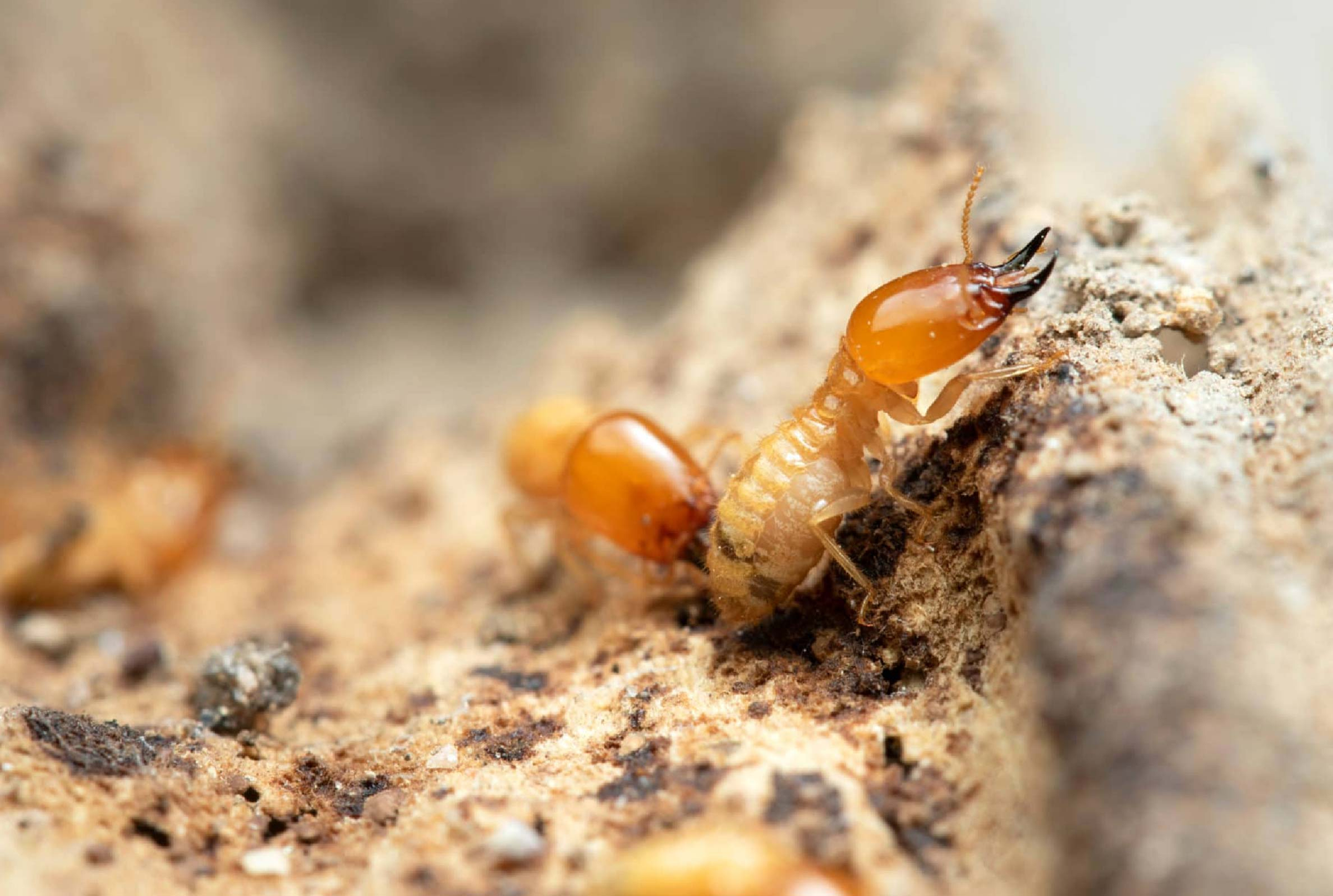
Without a standardised system like AS 3660, termite inspections can vary in quality and reliability. This increases the risk of missed damage or inaccurate reporting.
Using this standard ensures:
- Consistent inspection quality
- Accurate structural risk assessment
- Clear documentation for property owners
- Better decision-making for treatment and prevention
It also helps ensure compliance with Australian pest control best practices.
Recommended Inspection Frequency
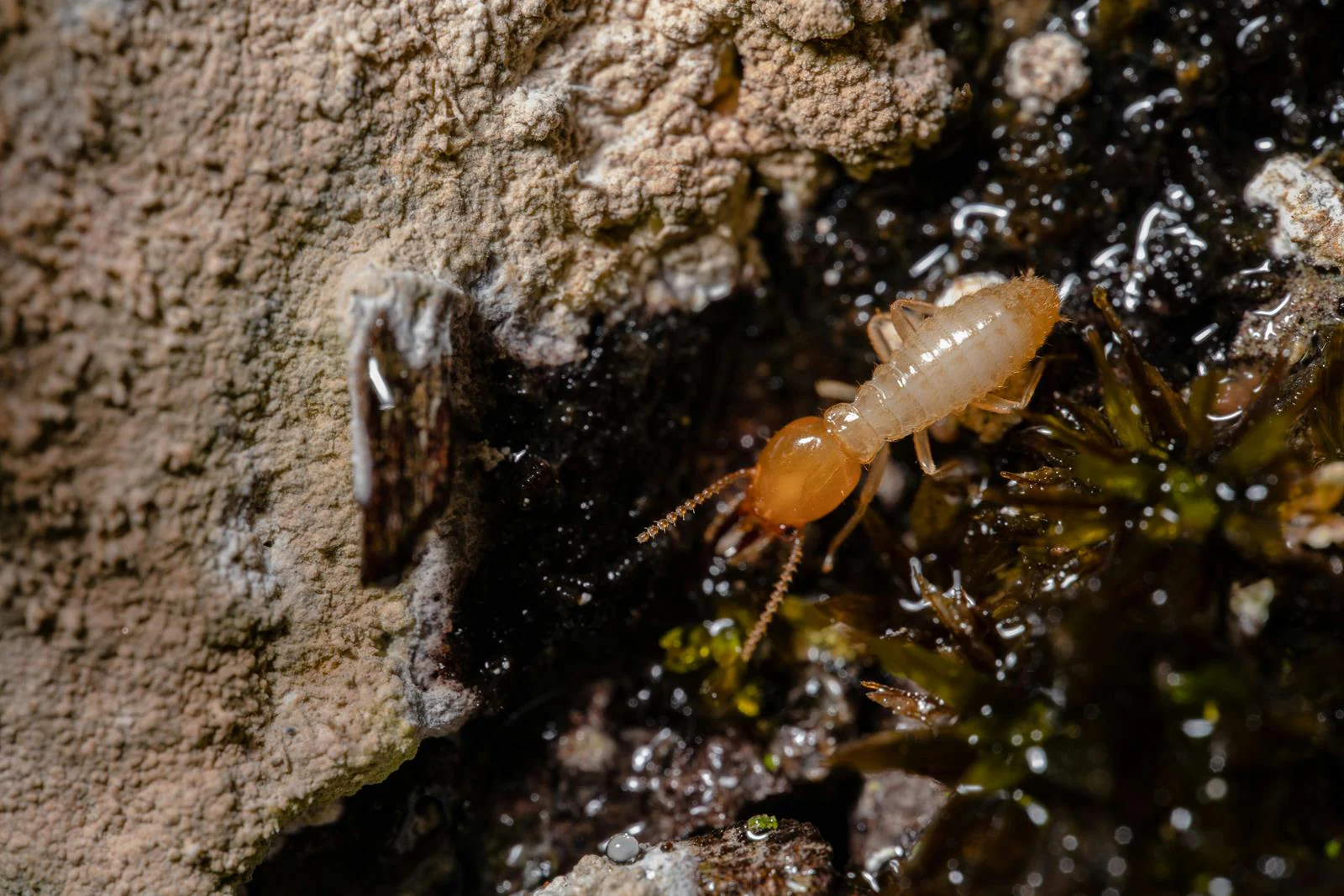
Regular inspections are essential for early detection and prevention.
- High-risk areas: every 6–12 months
- Standard residential homes: every 12 months
- Termite-prone regions or older properties: every 6 months
Early detection is the most effective way to prevent expensive structural damage.
When Immediate Action is Required
If an inspection report identifies active termites, structural damage, or high-risk environmental conditions, immediate treatment is strongly recommended. Delaying action can result in rapid and costly damage progression.
Book Professional Termite Inspection in Melbourne
A professional AS 3660 termite inspection provides the clarity and protection needed to safeguard your property from hidden structural damage.


