


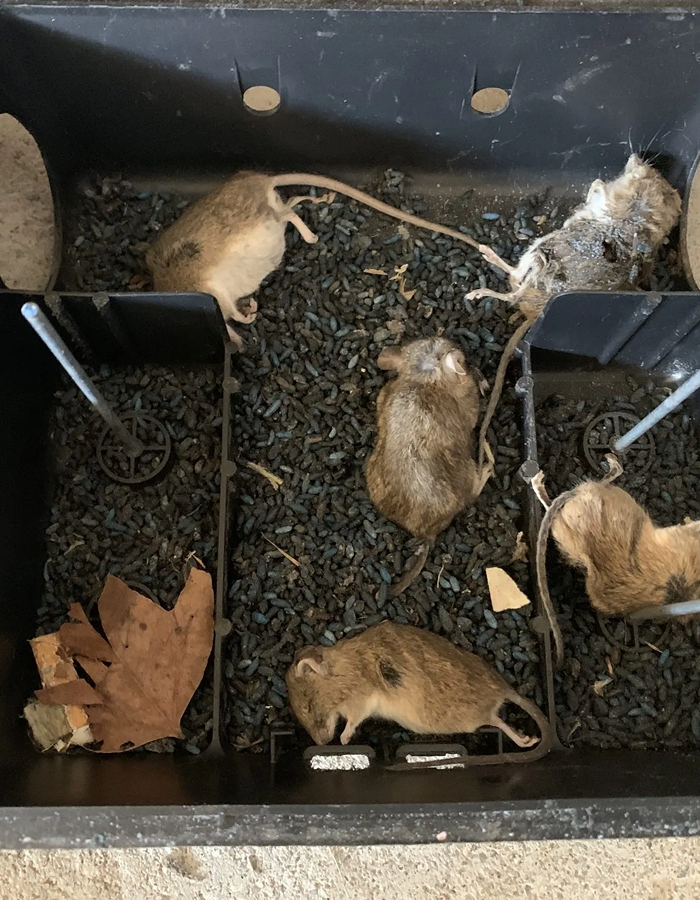
Rodent Baiting (Rats & Mice Control) in Melbourne
Effective Population Control & Long-Term Rodent Management Solutions
- Professional Rodent Control Services
- Tamper-Proof Bait Station Systems
- Safe for Homes, Businesses & Food Areas
- Targeted Reduction of Rats & Mice Populations
Rodent baiting is a highly effective pest management method designed to control and reduce rat and mouse populations using strategically placed bait stations. Instead of relying only on traps or random treatment, this method uses rodent behaviour patterns to deliver controlled, long-term results.
Rodents naturally follow consistent travel routes and feed cautiously in familiar environments. Baiting systems are designed around this behaviour, allowing rodents to consume bait and gradually reduce the population from within.
Understanding Rodent Baiting
Rodents such as rats and mice are constantly searching for food and shelter. They typically move along walls, hidden corners, roof voids, and behind appliances, avoiding open spaces.
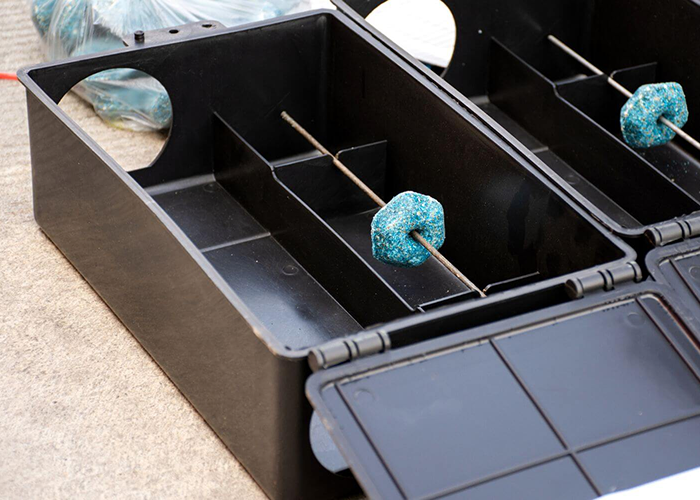
Rodent baiting works by placing controlled bait stations directly along these natural travel paths. Once rodents find the bait, they begin feeding in small amounts and return repeatedly.
The bait contains a delayed-action ingredient, meaning rodents do not die immediately. This is important because it allows them to continue feeding and moving within their group before the active ingredient takes effect.
As a result, the bait gradually spreads through the population, reducing overall activity over time instead of only removing individual rodents.
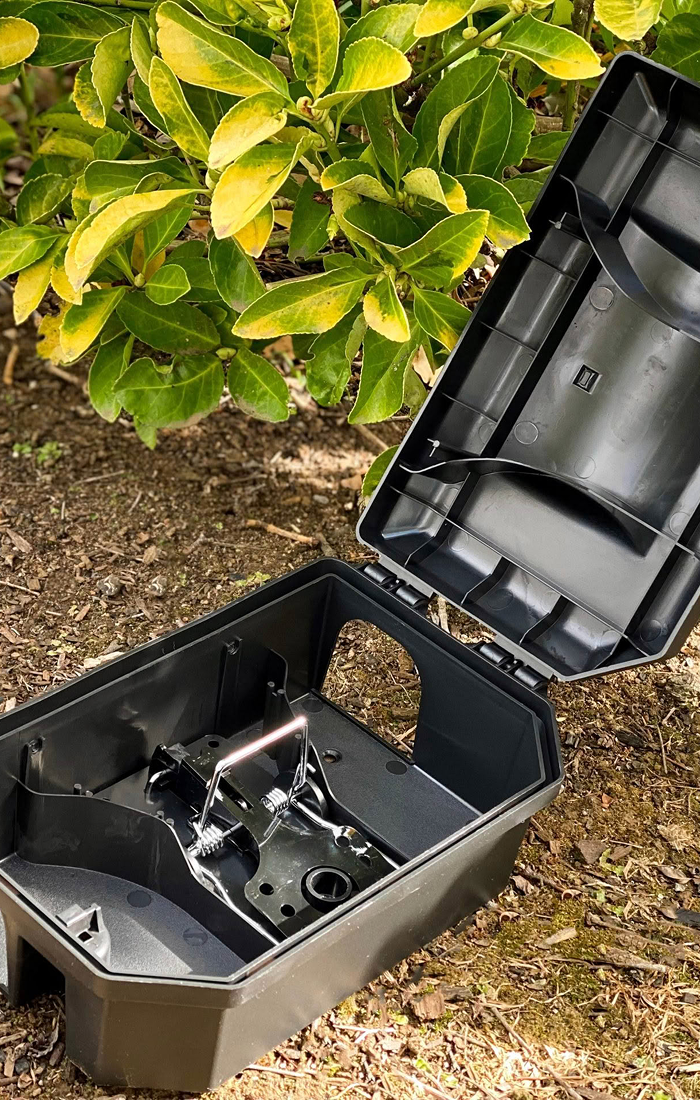
Types of Rodent Bait Used
Single-Dose (Fast-Acting) Bait
This type of bait can kill rodents after one feeding. It works quickly but is used carefully in controlled situations where immediate reduction is required.
- Fast knockdown effect
- Used for targeted infestations
- Requires professional placement to avoid bait avoidance
Multi-Dose (Anticoagulant) Bait
This is the most commonly used professional baiting method. Rodents must feed multiple times over several days for the bait to take full effect.
It works by interfering with blood clotting, causing a gradual decline rather than instant death.
- Most effective for larger infestations
- Reduces bait shyness
- Allows spread within rodent population
Monitoring Bait (Non-Toxic)
Before active treatment, non-toxic bait may be used to confirm rodent activity and identify feeding routes.
- Helps locate active rodent zones
- Improves accuracy of bait placement
- Reduces unnecessary chemical use
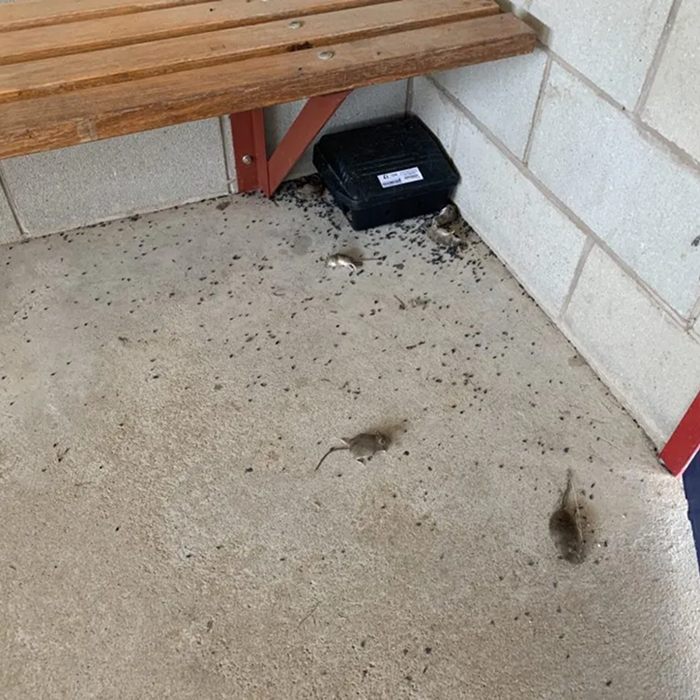
Where Rodent Bait Stations Are Placed
Proper placement is essential for effective rodent control. Bait stations are installed in areas where rodents naturally travel and hide.
Common placement locations include:
- Along walls and skirting edges
- Behind kitchen appliances
- Inside roof voids and ceiling spaces
- Near garbage storage areas
- Around plumbing entry points
- In dark, undisturbed corners
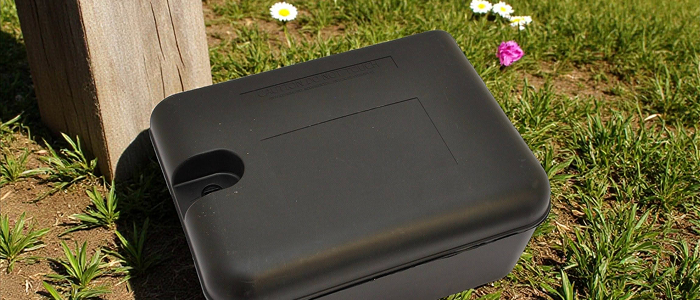
All bait is placed inside secure, tamper-resistant stations to ensure safety and effectiveness.
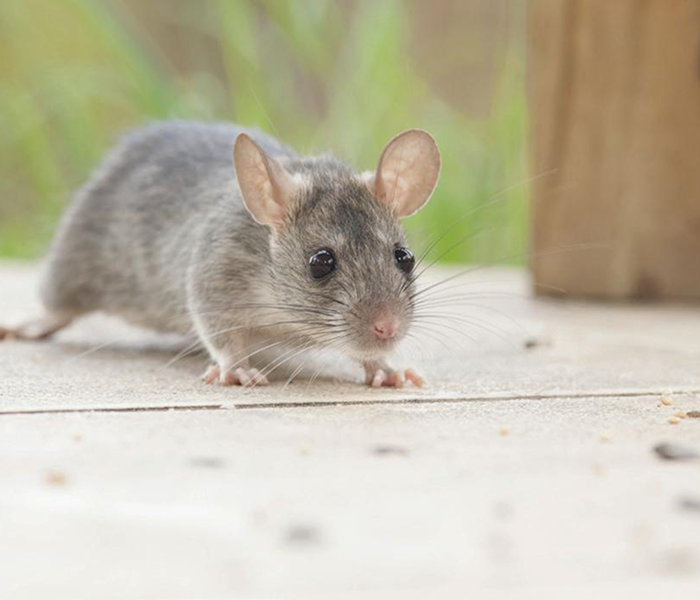
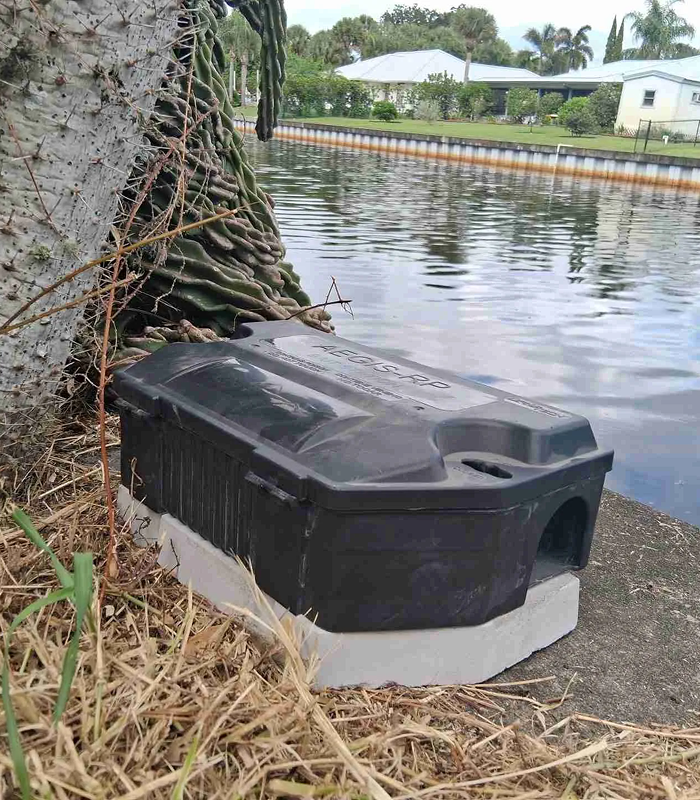
Rodent Bait Station Safety Design
Professional bait stations are designed to control access and protect non-target animals.
They are:
- Locked and tamper-resistant
- Weather-protected for outdoor use
- Designed to prevent accidental contact
- Structured so rodents must fully enter to feed
This ensures safe application in residential, commercial, and food-related environments.
Rodent Baiting Process
Step 1: Inspection
A full property inspection is carried out to identify droppings, gnaw marks, nesting areas, and rodent movement paths.
Step 2: Strategic Placement
Bait stations are positioned along identified rodent routes, focusing on high-activity zones.
Step 3: Feeding Phase
Rodents begin feeding gradually over multiple nights. Bait is consumed in small amounts and shared within the group.
Step 4: Population Reduction
As bait spreads through the population, rodent activity begins to decline. Signs such as droppings, noises, and sightings reduce over time.
Step 5: Monitoring & Maintenance
Stations are regularly checked and refilled. Adjustments are made based on activity levels until control is achieved.
Rodent Baiting vs Trapping
| Feature | Rodent Baiting | Traps |
|---|---|---|
| Coverage | Entire population | Individual rodents |
| Speed | Gradual control | Immediate catch |
| Monitoring | Required | Minimal |
| Best Use | Infestations | Small activity |
Rodent baiting is best suited for larger or ongoing infestations, while traps are useful for early or limited activity.
Why Rodents Enter Properties
Rodents enter homes and buildings due to:
- Easy access to food sources
- Open or poorly sealed waste areas
- Gaps in walls, roofs, or floors
- Pet food left exposed
- Cluttered storage spaces
Even very small openings are enough for mice to enter a building.
Important Safety Guidelines
- All bait must be placed inside secure stations
- Exposure to children and pets must be prevented
- Loose bait should never be used in open areas
- Professional placement ensures correct dosage and safety
Book Rodent Baiting Service in Melbourne
Protect your property with professional rodent control solutions designed for safe, strategic, and long-term results.


