


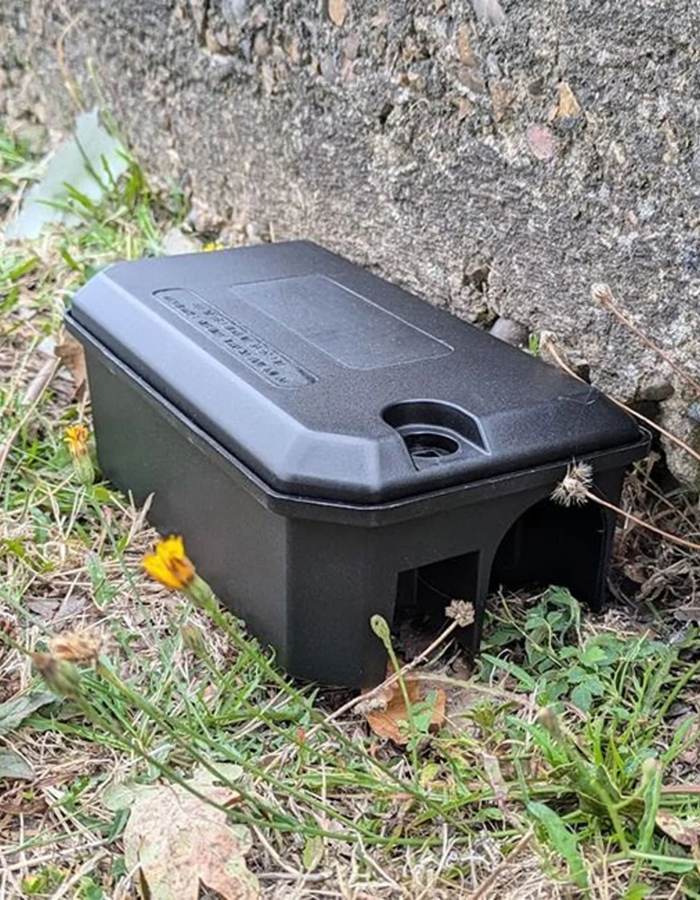
Bait Station Installation (Rats & Mice Control) in Melbourne
Premium Rodent Management System for Safe, Targeted & Long-Term Protection
- Professional Grade Rodent Control System
- Tamper-Proof & Child-Safe Bait Stations
- Behaviour-Based Strategic Placement
- Designed for Residential, Commercial & Industrial Properties
Bait station installation is a structured, professional rodent control system used to manage rats and mice safely and effectively. Instead of random bait placement, this method uses targeted station positioning based on rodent movement patterns, ensuring controlled feeding, population reduction, and long-term prevention.
Each bait station is a sealed, tamper-resistant unit designed to allow rodents to enter and feed while preventing access from pets, children, and non-target animals.
Understanding Bait Station Installation
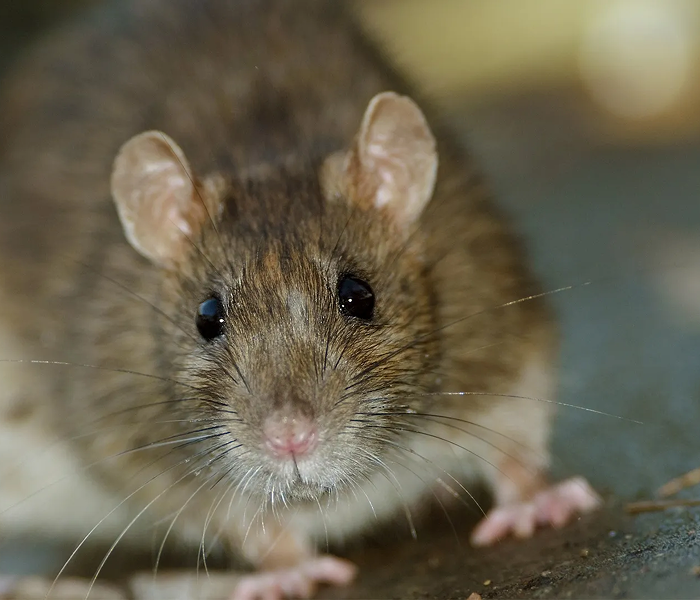
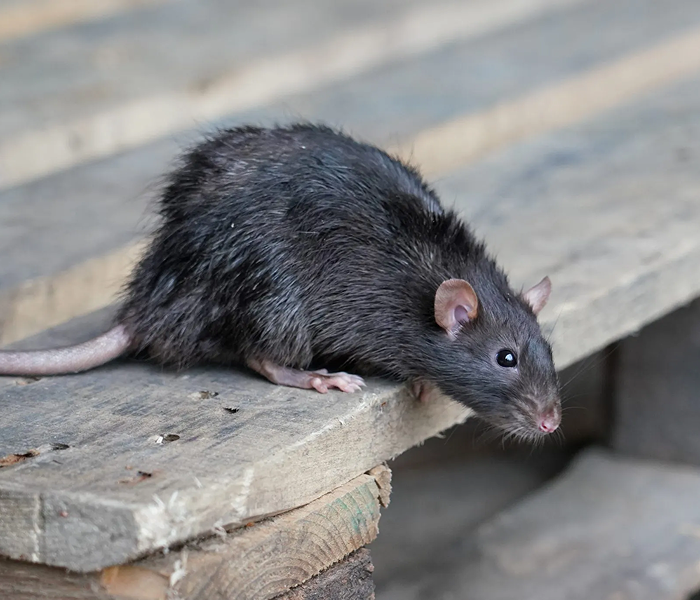
Rodents such as rats and mice do not move randomly. They consistently travel along walls, edges, and hidden pathways while avoiding open spaces.
Bait station installation uses this behaviour to create a controlled feeding system. Stations are placed directly along these movement routes so rodents naturally encounter them during their normal activity.
Once inside the station, rodents consume bait in a controlled environment. This bait is designed to act gradually, allowing rodents to continue feeding and moving before effects begin. This ensures the bait is also shared within the population, improving overall effectiveness.
Step 1: Professional Site Inspection
Every installation begins with a detailed inspection to understand the level of infestation and rodent behaviour patterns.
Technicians identify:
Rodents such as rats and mice do not move randomly. They consistently travel along walls, edges, and hidden pathways while avoiding open spaces.
Bait station installation uses this behaviour to create a controlled feeding system. Stations are placed directly along these movement routes so rodents naturally encounter them during their normal activity.
Once inside the station, rodents consume bait in a controlled environment. This bait is designed to act gradually, allowing rodents to continue feeding and moving before effects begin. This ensures the bait is also shared within the population, improving overall effectiveness.
Step 2: Strategic Placement Design
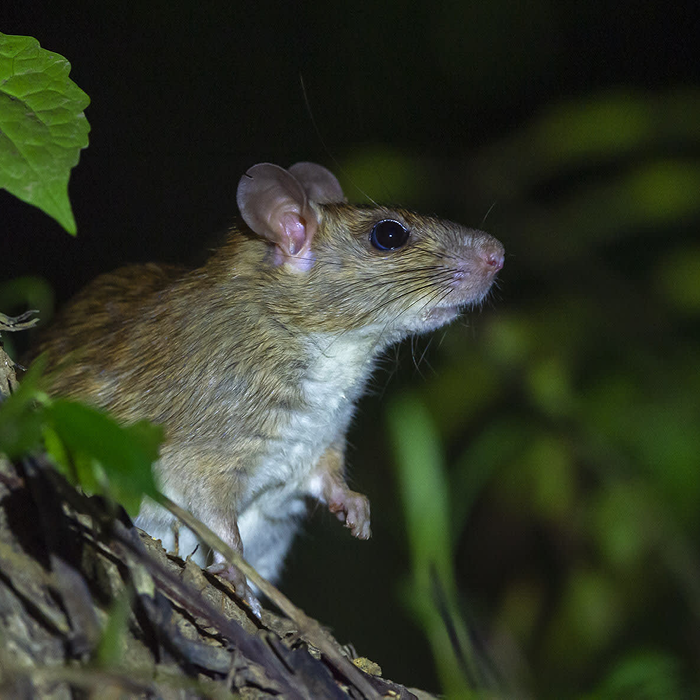
Bait stations are never placed randomly. Each location is selected based on rodent activity and environmental conditions.
Along Rodent Travel Routes
Stations are installed along walls, edges, and known movement corridors where rodents consistently travel.
High-Shelter Zones
Behind kitchen appliances, under sinks and cabinetry, inside roof voids and ceiling spaces, storage rooms and utility areas, near waste storage zones
Near Entry Points
Pipe and cable penetrations, drain and plumbing access points, wall gaps and structural cracks, door thresholds and service openings
Step 3: Precision Spacing Strategy
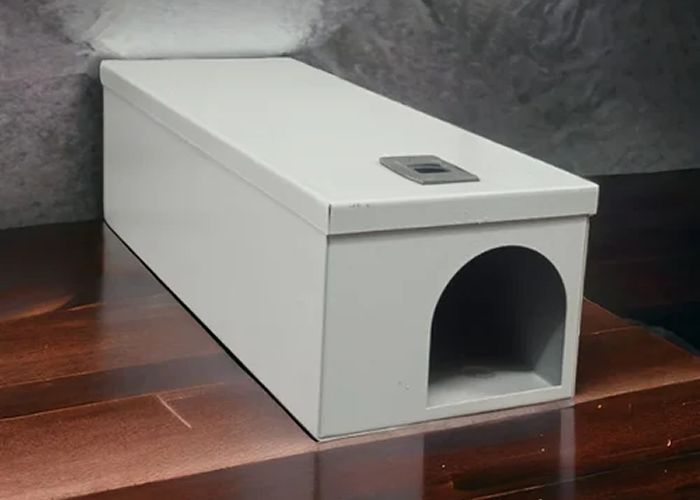
Spacing is adjusted based on infestation severity and building layout.
- High activity zones: every 5–10 meters
- Moderate activity zones: every 10–15 meters
- Low activity zones: targeted placement only
- Indoor environments: strategic pinpoint placement
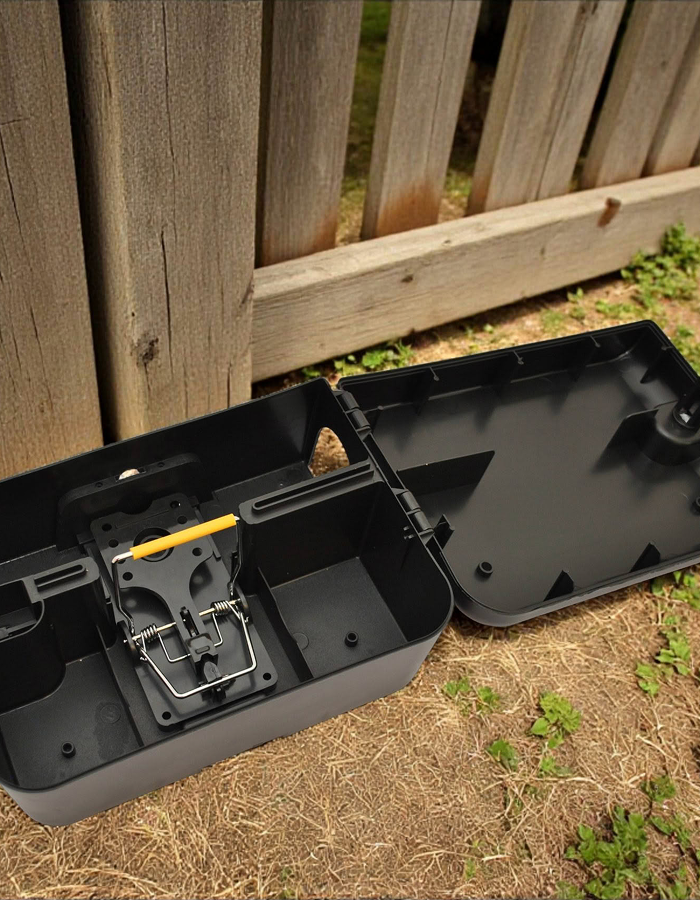
Step 4: Installation Process
Survey & Mapping
Rodent activity is mapped across the property to define priority treatment zones.
Station Positioning
Stations are placed flush against walls or along movement edges where rodents naturally travel.
Securing & Anchoring
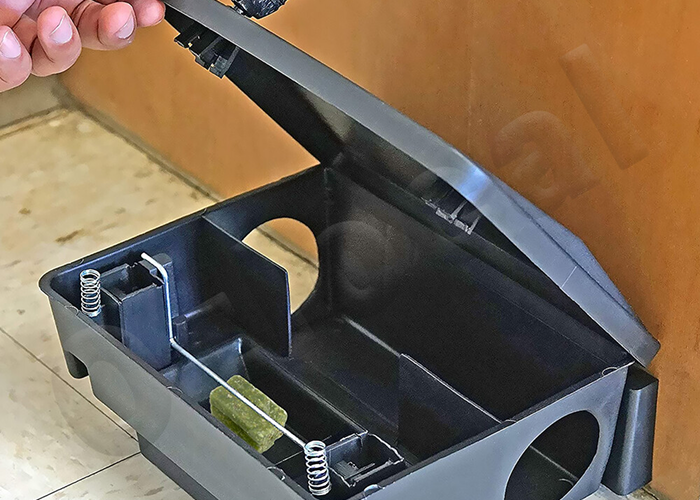
Each bait station is locked, sealed, and secured to prevent tampering, movement, or environmental interference.
Bait Loading
High-quality rodent bait blocks or pellets are installed inside secured internal rods or holders to prevent removal or scattering.
Documentation & Tracking
Each station is numbered and mapped for monitoring during follow-up inspections, ensuring full traceability and performance tracking.
Step 5: Monitoring & Maintenance Program
- Initial inspection every 1–2 weeks
- Bait replenishment as required
- Activity level tracking and assessment
- Adjustments based on rodent movement changes
- Feeding activity inside stations confirms active rodent presence
- Reduced activity indicates successful population control
Safety & Protection Standards
All bait stations are designed with strict safety controls:
- Fully tamper-resistant locking system
- Restricted entry size (rodent-only access)
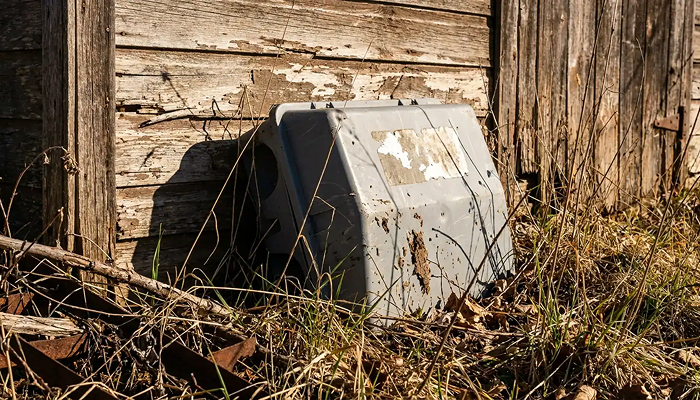
- Weatherproof construction for outdoor use
- Secure bait containment system
- Safe installation in sensitive environments
Indoor vs Outdoor Application
Indoor: Kitchens, roof voids, cupboards, storage rooms
Outdoor: Gardens, perimeters, drains, wall edges
Commercial: Warehouses, loading docks, food storage areas
Common Installation Errors (Avoid These)
- Random placement without inspection
- Insufficient stations in high activity zones
- Unsecured or exposed bait systems
- Ignoring sanitation and food sources
- No follow-up monitoring after installation
Book Professional Bait Station Installation in Melbourne
Protect your property with a premium rodent control system designed for accuracy, safety, and long-term effectiveness.


